Dubai to Abu Dhabi by EV: Where to Charge in 2026
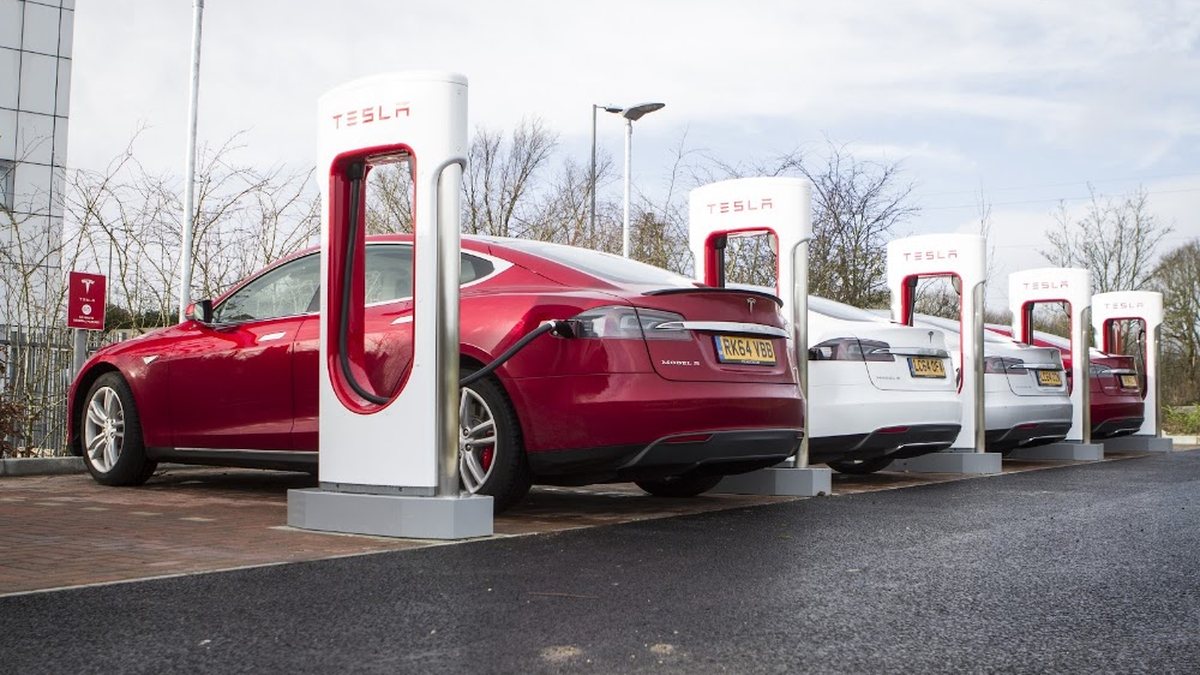
Plenty of people make the Dubai to Abu Dhabi run every week, and doing it in an electric car is far less of a deal than most first time EV drivers assume. It is a straight, fast drive down the E11 Sheikh Zayed Road, and it is short enough that most electric cars never plug in on the way. Below is what to expect, where to charge if you want to, and what the trip actually costs in 2026.
The short answer
You almost certainly do not need to charge. Dubai to Abu Dhabi is about 140 km, roughly a 90 minute drive. Any EV with 300 km or more of range does the round trip on a single charge and still gets home with a comfortable buffer. If you want to top up anyway, there are DC fast chargers along the E11 and near both cities, and the energy for the drive costs somewhere around AED 18 to 25 at public rates.
The route down the E11
The whole journey is basically one road. You join the E11 Sheikh Zayed Road in Dubai and stay on it all the way into Abu Dhabi. No mountains, no altitude, no surprises. Outside rush hour the traffic flows freely, and steady motorway cruising is exactly where electric cars are at their most efficient, so your range holds up nicely on this drive.
Do you actually need to charge?
For most drivers, no. At 140 km one way, the trip sits well within the real range of nearly every EV on UAE roads. A car rated around 300 km will happily cover the 280 km round trip and arrive home with charge to spare. Even a shorter range model can do a one way run and charge once it gets there.
Charging on the way only matters in a few cases: you set off with a low battery, you plan to drive around a lot once you arrive, or you are stringing together a longer loop that day. In those situations a quick splash of charge turns a tight trip into a relaxed one. If you are curious about the running numbers, our guide to what it costs to charge an EV in the UAE breaks it all down.
Where to charge between Dubai and Abu Dhabi
You have plenty of choice. Along and near the E11 you will find:
- DC fast chargers at service areas on the motorway corridor, ideal for a quick splash of 15 to 20 minutes.
- Tesla Superchargers near both cities, increasingly open to other brands as well as Teslas.
- DEWA and ADNOC linked stations around Dubai and on the approaches into Abu Dhabi.
The one thing that trips people up is pulling into a fast charger only to find it broken or in use. That is where the ChargeAE live map earns its keep. It shows every known charger on your route, the connectors it takes, the price per kWh and its latest community reported status, so you know it works before you commit.
How long it really takes
The drive itself is about 90 minutes each way. If you choose to charge, a fast charger barely adds to that. Fifteen to twenty minutes plugged into a DC charger usually puts well over 100 km back in the battery, which is far more than you need for the rest of the leg. Think coffee, not lunch.
What it costs versus petrol
A comfortable EV uses somewhere around 25 to 30 kWh for the one way drive. Here is how that stacks up against the same trip in a petrol car:
| One way trip, about 140 km | Energy or fuel | Rough cost |
|---|---|---|
| EV on public charging | about 27 kWh at AED 0.70 per kWh | about AED 19 |
| EV charged at home first | about 27 kWh on a home tariff | Less again |
| Petrol car | about 11 litres of fuel | Noticeably more |
The exact figures move around with your car, your speed and the tariff you pay, but the shape never changes. The electric trip costs a fraction of the petrol one, and leaving home on a full battery makes it cheaper still.
Five tips for a smooth EV trip
- Leave home full. Overnight charging is the cheapest energy you will use, so start at 100 percent if you can.
- Check the charger before you commit, so you are not stuck waiting behind a car that is already plugged in.
- On a quick stop, charge to about 80 percent and go. DC charging slows right down after that, so those last few percent cost you time.
- Use cruise control on the E11. A steady speed is the single biggest thing you can do for range.
- Pre cool the cabin while you are still plugged in during summer, so the air conditioning is not fighting the heat on mains power.
Plan the trip in the ChargeAE app
ChargeAE was built for exactly this kind of drive. Punch in your start and destination and the journey planner maps every charger within reach of your route, checks the trip against your car's real range and answers the question that matters most: can I make it? When you are ready to roll, it hands the plan to Apple Maps or Google Maps with the charging stops already built in. New to public charging in the city? Start with our DEWA EV Green Charger guide, or browse the full UAE charging guide.
Frequently asked questions
Can you drive from Dubai to Abu Dhabi in an electric car without charging?
Yes. It is roughly 140 km each way, well inside the range of almost every EV sold here. A car with 300 km or more of range can do the whole round trip on one charge. You only need to top up on a longer loop or if you set off with a low battery.
Where can you charge an EV between Dubai and Abu Dhabi?
There are DC fast chargers at service areas along the E11 Sheikh Zayed Road, plus Tesla Superchargers and DEWA and ADNOC stations near both cities. The ChargeAE map shows every charger on the route with its live status and price per kWh.
How much does the Dubai to Abu Dhabi EV trip cost?
The 25 to 30 kWh the drive uses costs roughly AED 18 to 25 at a typical public rate of about AED 0.70 per kWh, and less if you leave home on a full battery. The same trip on petrol costs a good deal more.
Find your next charge with ChargeAE
Every EV charging station in the UAE on one live map with live status, prices per kWh, connectors and trip planning. Free, no account, no ads.